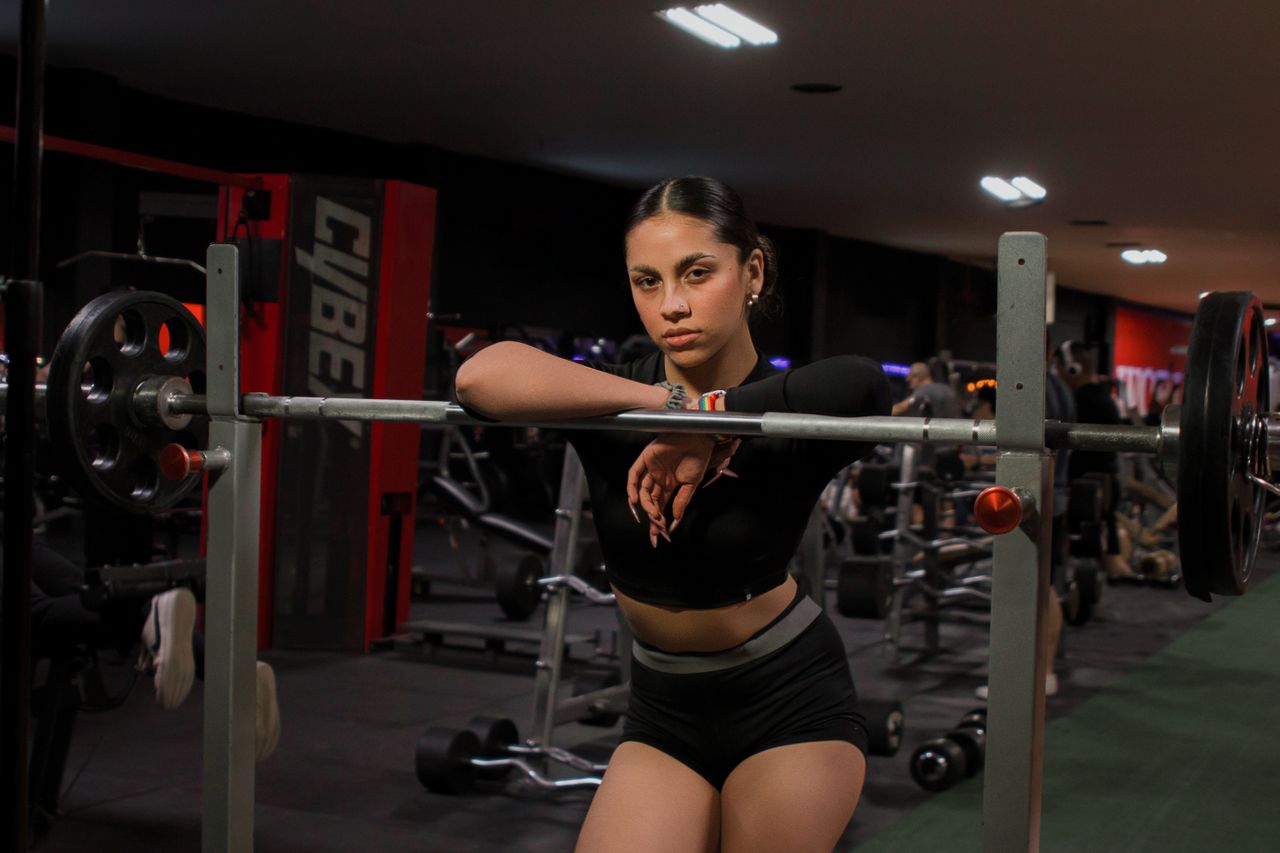
As women, we have a lot of experiences we need to consider while we age. We deal with menstruation, menopause and the various health complications that can come with both.
My goal is to provide context for training most appropriately during the menstrual cycle.
There are two main phases in the menstrual cycle: Follicular and Luteal. Ovulation occurs during the follicular phase while menstruation occurs during the luteal phase. It is important to recognize that during the follicular phase, the hormone estrogen increases, while progesterone increases during the luteal phase. These hormones can impact energy levels, muscle recovery, insulin sensitivity, and some other things too.
With that in mind, how exactly does the menstrual cycle affect your training?
First, research has shown that the rise and fall of these two hormones doesn’t seem to affect explosive and strength-based exercises, especially in athletes. Meaning, your performance with these exercises likely won’t change a lot, simply based on the hormone shifts. Sleep, nutrition, and recovery time will likely affect how your performance is with these exercises though.
Next, the training phase affects strength and muscle size gains. Estrogen is a hormone that reduces muscle breakdown, meaning, your may recover faster and you main have greater strength gains when this hormone is increased.
Lastly, progesterone is a hormone that promotes muscle breakdown. NOT TO FEAR; you can still build muscle during this phase and it doesn’t mean that you will lose muscle if you don’t strength train. It just means you might feel more sluggish and need to do some lower intensity exercises. There are mixed research for this however, some women have found themselves to perform really well in this phase while others don’t at all.
Overall, it is important that you listen to your body, if you have the energy to push things to the max, go for it! If you need more time to recover or do the lower intensity, there is nothing wrong with that.
An idea for training you can experiment with is:
- Menstrual–lower estrogen and progesterone: try light-moderate lifting, or deload.
- Follicular–increased estrogen: high intensity lifting, hypertrophy, try to hit your max!
- Ovulation–peak estrogen: try out testing new things, maximal effort lifts
- Luteal–increased progesterone: moderate-intensity strength, mobility and technique work
Experiment with this training idea, add in your own twists like endurance runs, sprints, pilates, yoga. If you are training for a fitness challenge, see if switching your training up with these ideas helps you progress more!


