Are You Qualified or Just Charismatic?
Hopefully both.
…joking, but serious too.
Remember kinesthetic teaching in the personal training world? If not, we’re already off to a rough start.
Remember when becoming a professional personal trainer actually meant something? Explain, demonstrate, correct. Cueing. Positive coaching. Redirection. Reflection. Visualizing goals.
Remember ordering personal training manuals and studying 300+ page textbooks for months? Flash cards. Weekend certification reviews. Prep exams. Sending in videos of yourself assessing a client, presenting a plan, and demonstrating the program.
Remember in-person certifications reviewed by a board? Case studies? Neuro-Linguistic Reprogramming (NLP)? Earning trainer status (Trainer, Advanced, Elite, Master) through actual floor time and client success?
Remember PAR-Qs, fitness assessments, full-body metrics, program design, goal-phase timelines, and recommending the appropriate number of sessions before confidently asking the client to invest in themselves?
Or standing side-by-side with a client through every challenge until the finish line?
The Difference Between Talking and Delivering:
A true professional personal trainer delivers through example.
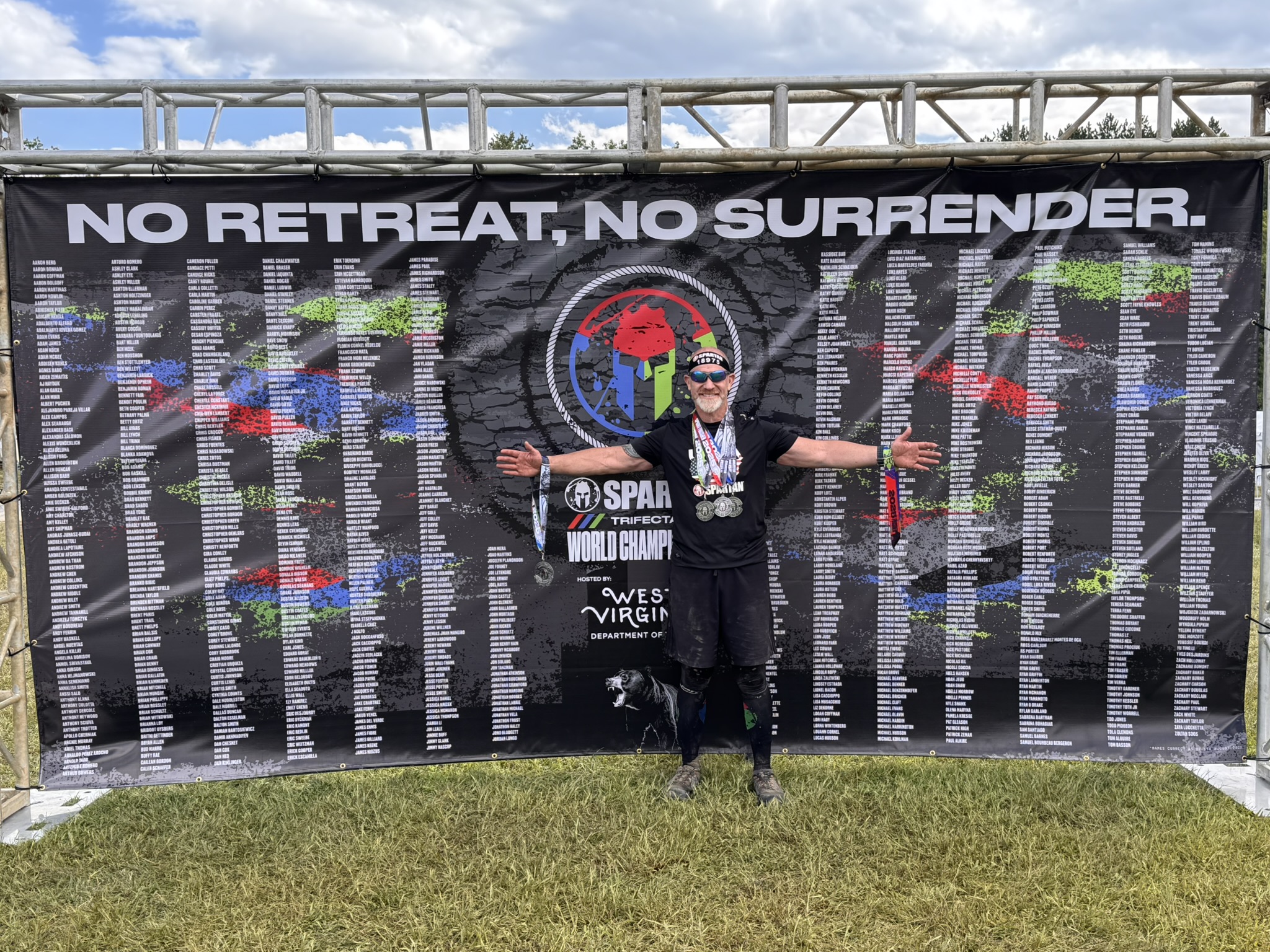
Show clients what commitment to health and fitness actually looks like. Don’t just talk about it, demonstrate it. Bring clients into your world. Let them experience your effort, exhaustion, discipline, obstacles, and accomplishments.
That’s leadership.
The Health & Fitness Industry Has Changed
So, what’s my point? (Aside from dating myself.)
Today, there are an estimated:
- 300,000+ personal trainers
- 500,000+ health coaches in the U.S.
- 320,000+ fitness influencers on Instagram alone
Because of this explosion in the industry, the need for accredited, service-minded, experienced, and vetted health and fitness professionals has never been greater.
Especially when nearly:
- 75% of U.S. adults are overweight
- 50% are classified as obese
We have a mission.
Truth in Training Matters
Those of us who came through the ranks have an obligation to preserve the truth in training.
Clients deserve honesty about:
- Why they are in their current condition
- What it will realistically take to improve it
- The investment that created the problem
- The investment required to reverse it
And yes, that includes confidently asking for the commitment necessary to achieve the goal. Can you ask for 200 personal training sessions?
More on that subject later.
Influencer Culture vs. Professional Coaching
In 2026, we’re living in an era of:
- Instant gratification
- Hyper-transparency
- False confidence
- AI-generated programs
- Apps replacing accountability
- Before-and-after photos used as marketing tools
- Reposted “fitness truths” designed to gain attention, followers, or money
In my opinion, none of that alone qualifies someone as a professional personal trainer.
Now, if you’ve built real-world experience, earned meaningful education, and learned how to leverage technology to expand your reach, fantastic! That’s smart business.
But influence without substance is dangerous.
Integrity Is Everything
Have integrity in everything you do. Don’t avoid the truth.
Metrics are metrics. Don’t become emotionally attached to a prospective client’s numbers; you didn’t create them. Instead, become attached to the truth required to help them achieve their goals.
What you say, recommend, or suggest can genuinely change someone’s life for the better. Or the worse. Take that responsibility seriously.
Lead From the Front
The fitness industry does not need more performers. It needs leaders. Lead from the front.
The Fitness Guy


